

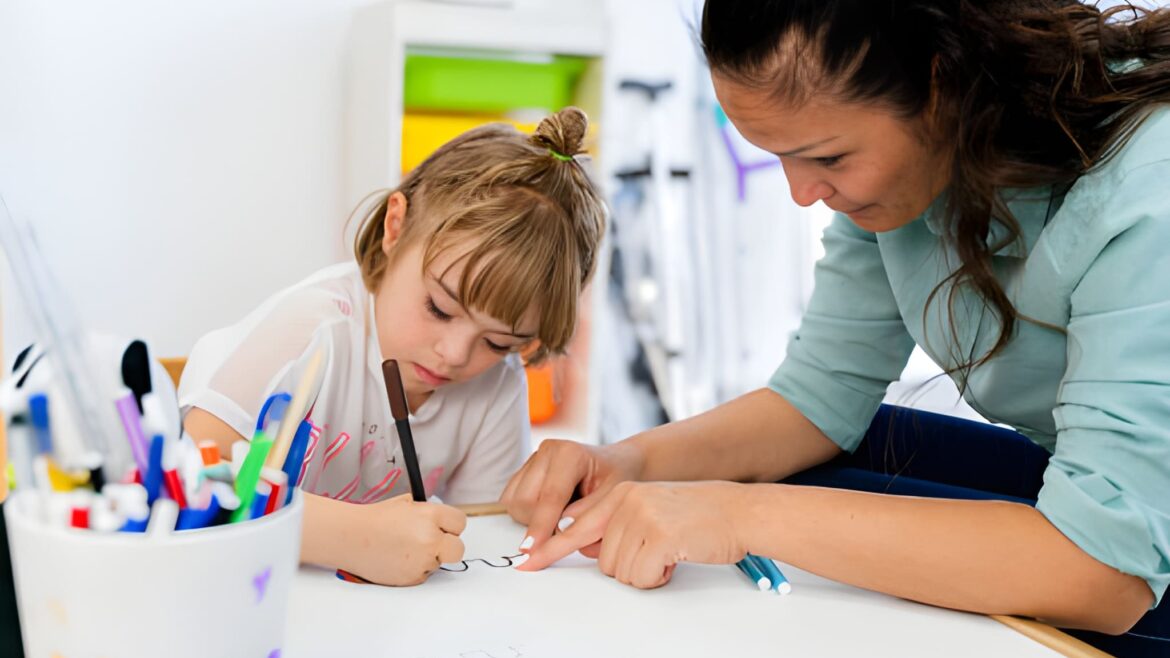
Every child learns differently. Some pick up reading and writing quickly, while others need a little more time and support. When a child consistently struggles to understand, remember, or apply new information, it might be a sign of learning difficulties. These challenges are more common than many parents realize and, with early intervention, can be effectively managed. Understanding the causes, recognizing the signs, and finding the right support can make a life-changing difference in a child’s academic and emotional growth.
What Are Learning Difficulties?
Learning difficulties refer to a range of neurological conditions that affect how the brain receives, processes, and responds to information. They are not related to intelligence—children with learning difficulties are just as smart and creative as their peers. The difference lies in how their brains work. These conditions can affect skills such as reading, writing, math, comprehension, attention, and coordination.
Some common types of learning difficulties include:
- Dyslexia – difficulty with reading and language processing.
- Dyscalculia – challenges with understanding numbers and mathematical concepts.
- Dysgraphia – problems with handwriting, spelling, and organizing written work.
- ADHD (Attention-Deficit/Hyperactivity Disorder) – difficulty maintaining focus, managing time, and staying organized.
- Auditory and Visual Processing Disorders – trouble interpreting sounds or visual information accurately.
Causes of Learning Difficulties
The exact cause of learning difficulties can vary, but researchers have identified several contributing factors:
- Genetic Influence
Learning difficulties often run in families. If a parent or sibling has dyslexia or another learning disorder, there’s a higher chance a child may experience similar challenges. - Brain Development Differences
Studies show that structural and functional differences in specific areas of the brain can affect how information is processed, especially in areas linked to reading, writing, and attention. - Pregnancy and Birth Factors
Complications during pregnancy or birth—such as premature delivery, low birth weight, or oxygen deprivation—can impact early brain development. - Environmental Factors
Exposure to toxins like lead, poor nutrition, or lack of stimulation in early childhood can contribute to learning challenges. - Emotional and Psychological Factors
Anxiety, trauma, or stress at a young age can also affect focus, memory, and cognitive growth, making learning more difficult.
Early Signs of Learning Difficulties
Recognizing learning difficulties early allows parents and teachers to provide targeted support before the child falls behind academically or loses confidence. Some common signs to watch for include:
- Delayed speech or language development
- Difficulty learning letters, numbers, or colors
- Struggles to follow directions or remember instructions
- Avoidance of reading or writing tasks
- Problems with organization or completing homework
- Frequent spelling or mathematical errors
- Low self-esteem and frustration with schoolwork
If these signs persist despite regular teaching and encouragement, it’s essential to seek a professional assessment.
The Role of Psychological Assessment
A psychological assessment helps identify the root causes of a child’s learning challenges. At iDare Institute, trained psychologists use evidence-based tools to evaluate cognitive, emotional, and academic performance. This detailed evaluation helps parents and educators understand the child’s strengths, weaknesses, and learning style, allowing for a personalized support plan.
How to Support Children with Learning Difficulties
Every child with learning difficulties has unique needs, and with the right approach, they can thrive both in school and in life. Here are key strategies for effective support:
- Early Intervention
The earlier the difficulty is identified, the easier it is to help. Early therapy, special education programs, and individualized support can prevent long-term struggles. - Remedial Therapy
Remedial therapy focuses on improving reading, writing, and comprehension skills using customized techniques. At iDare, remedial therapists use multisensory learning methods—engaging sight, sound, and touch—to make learning interactive and effective. - Occupational Therapy
Occupational therapy helps children develop fine motor skills, concentration, and coordination. It’s especially beneficial for children with dysgraphia or attention-related difficulties. - Speech and Language Therapy
For children with speech or language delays, therapy enhances communication skills, comprehension, and confidence in expressing themselves. - Parental Involvement
Parents play a crucial role. Encouraging positive reinforcement, maintaining patience, and celebrating small achievements can build a child’s self-esteem. At iDare Institute, parents are guided on home-based strategies to continue support outside therapy sessions. - Creating a Supportive Learning Environment
Teachers and schools should provide extra time for assignments, break complex tasks into smaller steps, and use visual aids to help children understand concepts better.
Emotional Well-being Matters
Children with learning difficulties often feel frustrated or embarrassed about their struggles. Emotional support is just as vital as academic help. Positive reinforcement, mindfulness activities, and encouraging open communication can help them develop resilience and confidence.
The iDare Approach to Learning Support
At iDare Institute, our mission is to empower children with learning differences through specialized programs tailored to their unique needs. From psychological assessments to remedial, speech, and occupational therapy, our multidisciplinary approach ensures that each child receives comprehensive care. We focus on nurturing both academic performance and emotional well-being, helping children rediscover the joy of learning.
Final Thoughts
Learning difficulties are not a reflection of a child’s potential—they are simply a different way of learning. With understanding, patience, and professional guidance, every child can overcome these challenges and build a bright, successful future. If you notice signs of learning struggles in your child, remember: early action brings lasting results.
At iDare Institute, we’re here to guide you every step of the way—helping children learn, grow, and thrive with confidence.